
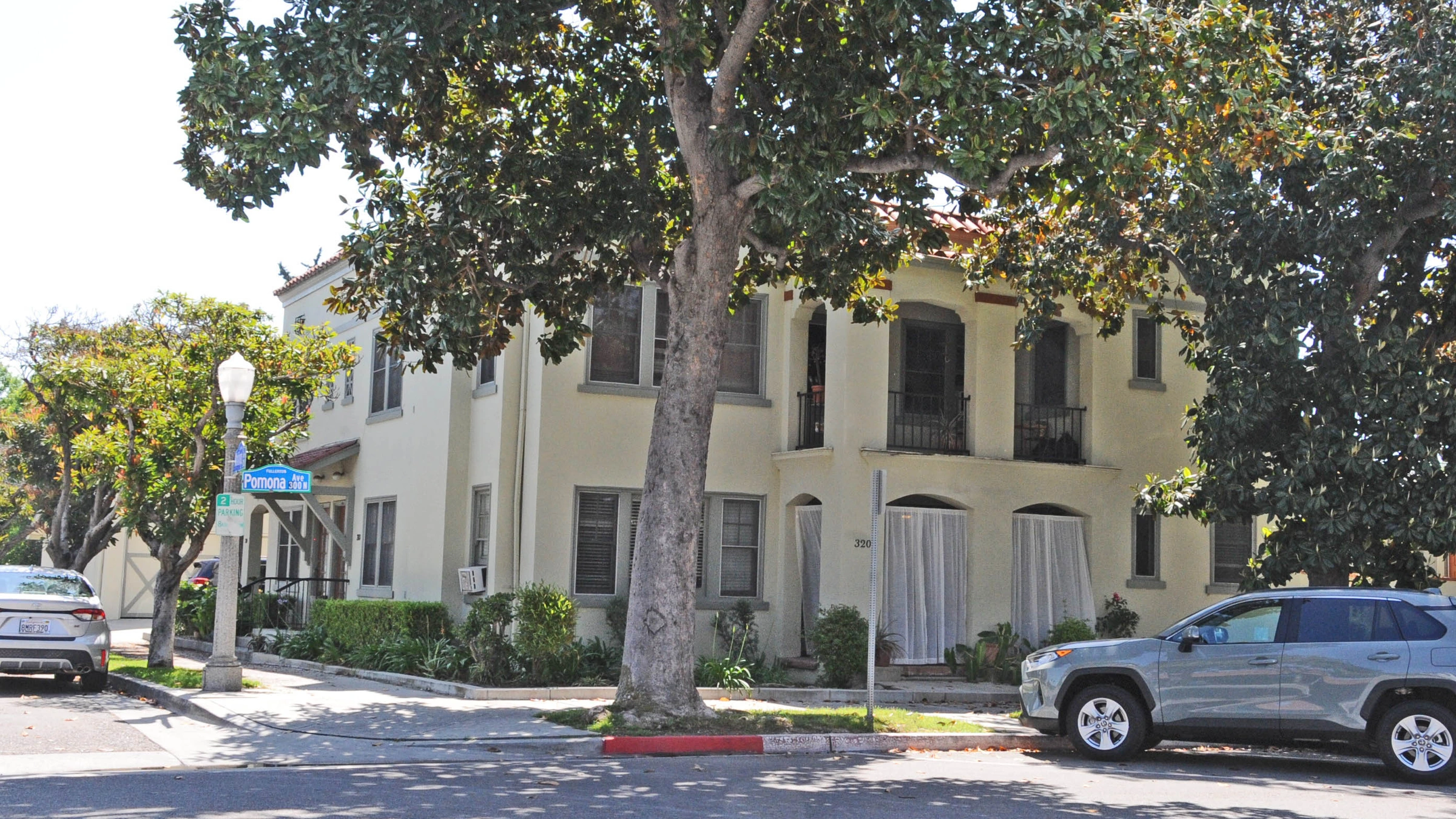
A useful review often starts with a question that sounds ordinary: what should an investor verify before the decision becomes difficult to change? This orange county investment question is not a promise or a shortcut. It is a way to organize the property, sponsor, financing, operating, liquidity, tax, and reporting questions that belong in the same conversation.
The companion story, The Rent Roll That Looked Better Than the Building, follows the human moment behind this topic. The lesson is practical. A clear process gives an investor room to pause when a spreadsheet, a deadline, or a confident presentation creates pressure.
Start with the rent roll, trailing operating statements, property-tax history, insurance renewal, and the physical condition report. In Orange County, a strong location can support demand while still leaving an investor exposed to deferred maintenance, concessions, or a narrow margin between current rents and realistic renewals.
What this question changes
Facts, estimates, and open questions
In an Orange County comparison, connect the rent roll to collections, concessions, repairs, insurance, taxes, and debt. A strong location can support demand while still leaving an investor exposed to a thin operating margin.
A rent increase shown in a model may depend on renovations, tenant demand, or a renewal that has not happened. Mark the dependency before treating the projected income as durable.
How to review Orange County multifamily investment
Read the documents before the headline
Read the trailing statements, rent roll, property-tax history, insurance renewal, inspection, and capital plan together. Each source answers a different part of the property’s operating story.
Ask which rents are collected, which costs are recurring, what the reserve covers, and who will answer when the local market or the building’s condition differs from the underwriting.
For a related investor perspective, read the related Orange County multifamily investment analysis.
For a broader view of this decision, see VisionWise Capital’s Orange County multifamily investment perspective.
Where VisionWise Capital fits
The canonical VisionWise’s approach to Orange County multifamily investment perspective explains the firm’s process.
VisionWise Capital’s Southern California process can provide context, but the investor still needs to assess this property’s operations, leverage, concentration, liquidity, tax position, and risk tolerance.
Set a reporting plan for occupancy, collections, concessions, repairs, insurance, debt, and material changes. One headline occupancy number cannot show how the operating plan is holding.
The proposed allocation should fit the investor’s existing real estate, public assets, cash needs, family obligations, and ability to wait through a slower lease-up or a larger repair.
Risks that deserve equal attention
Investors reviewing eligibility can start with the accredited investor requirements before comparing an Orange County multifamily opportunity.
Orange County demand cannot remove property, market, financing, operating, sponsor, regulatory, tax, concentration, or liquidity risk. A local thesis still needs property-level evidence.
A sound conclusion may be to verify the unit-level records, revise the budget, reduce the amount, or pass. The rent roll is evidence for the decision, not the decision itself.
Investor questions to carry forward
- Reconcile each unit’s collected rent with concessions and delinquency.
- Test the rent plan against repairs, insurance, taxes, and reserves.
- Compare the property with current Orange County competition, not a broad market label.
- Keep enough outside liquidity for a slower lease-up or larger turn budget.
- Ask for the records that would change the purchase decision.
To discuss this Orange County multifamily investment question, discuss your Orange County multifamily investment questions with VisionWise.
For independent investor education, see the SEC’s investor.gov introduction to investing.
A useful Orange County comparison also records the reason behind each rent assumption. A unit may support a higher renewal after a completed improvement, while another may need a concession or longer turn period. Write those differences beside the rent roll instead of blending them into one market growth rate. Then compare the resulting income with insurance, taxes, debt service, and the reserve plan. This makes the local thesis testable and gives the investor a clear list of operating facts to request before approving an allocation.
Important information
Past performance is no guarantee of future results. All investments involve risk and may result in loss. This material is for informational purposes only and does not constitute an offer to sell securities or a solicitation of an offer to buy securities. Accredited investors should review governing documents and consult their own legal, tax, and financial advisors.