
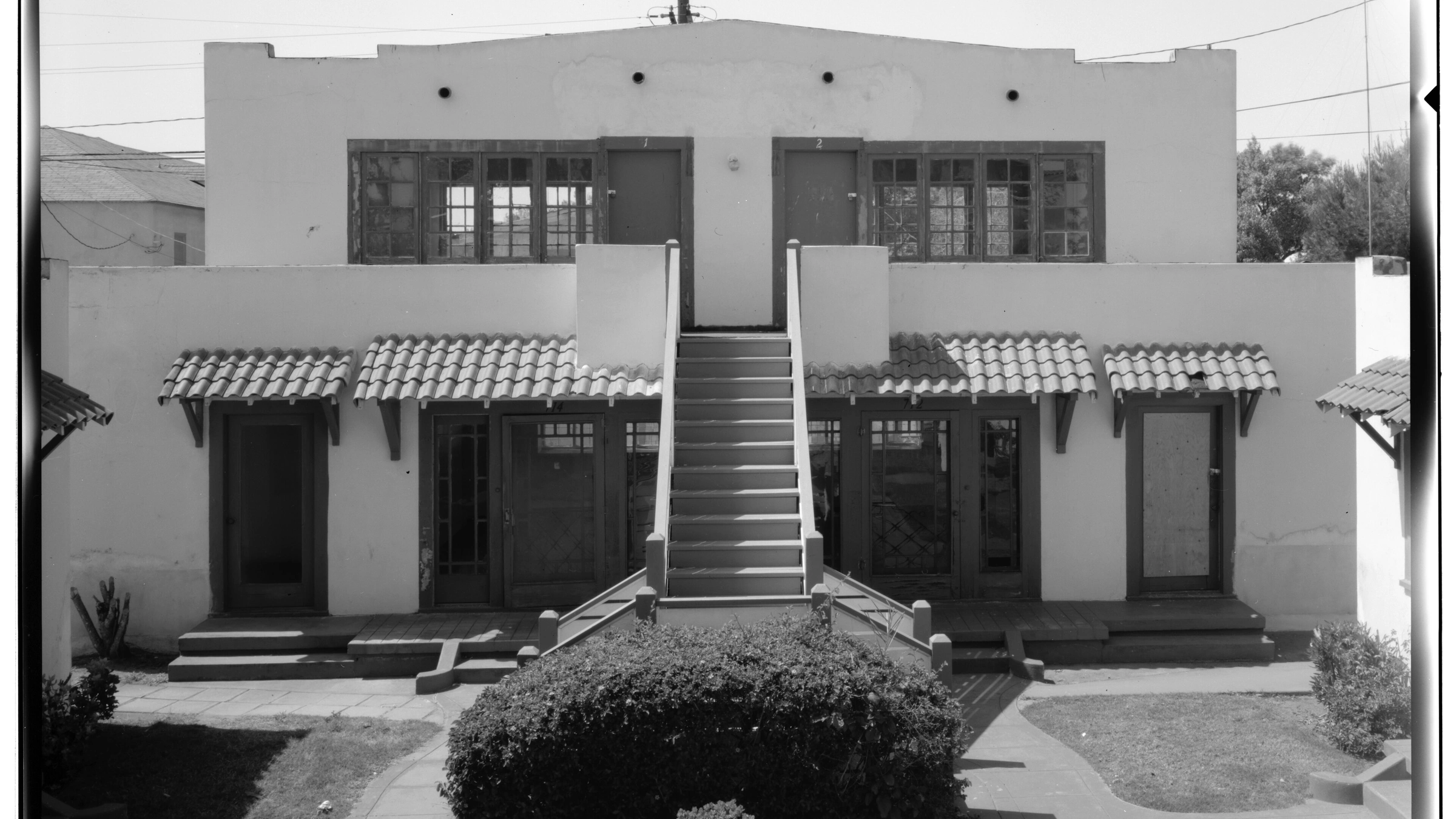
What can three vacant units reveal about a multifamily operating assumption?
Three vacant units were easy to describe and harder to explain. The investor had to separate a temporary leasing problem from a deeper operating assumption before deciding whether the building deserved another look. The review keeps multifamily vacancy risk tied to documented evidence rather than a headline.
The education article Orange County Multifamily Investment: How to Read Vacancy, Rents, and Repairs Together explains the mechanics. This story stays with the moment those mechanics became real. The investor did not need a more polished prediction. The investor needed to know what was known, what was uncertain, and what would happen next.
Three units were vacant during the walk. The rent roll treated them as a temporary line item, while the inspection showed flooring, plumbing, and electrical work waiting behind the next lease-up. The gap was not a dramatic surprise; it was a cost that had been kept in separate folders.
The detail that changed the room
What the first summary left out
Three vacant units were easy to describe and harder to explain. The investor had to separate a temporary leasing problem from a deeper operating assumption before deciding whether the building still fit.
The group separated physical vacancy from economic vacancy, a repair estimate from a completed turn, and a rent target from a signed renewal.
The decision to pause
The investor requested unit-level records, repair scope, rent evidence, reserve impact, reporting dates, and the owner for each unanswered question.
The revised review connected vacancy, repairs, concessions, and timing. The investor did not need a perfect forecast. The investor needed to know how long the property could carry the work without forcing a rushed capital decision.
For a related investor perspective, read the related multifamily vacancy analysis.
For a broader view of this decision, see VisionWise Capital’s multifamily vacancy risk perspective.
What the consequence revealed
What changed after the pause
The group asked whether the plan could absorb a slower lease-up, higher turn costs, weaker renewals, or a repair that arrived before the units were ready.
Vacancy and repair pressure can expose market, property, financing, operating, sponsor, regulatory, tax, concentration, and liquidity risk at the same time.
How VisionWise Capital applies the lesson
The firm’s process is explained in VisionWise’s approach to multifamily vacancy risk.
VisionWise Capital’s operating process can provide context, but the investor still needs the building’s actual records and independent advice on fit.
The rent roll, collection history, inspection, work orders, concessions, repair budget, insurance, and reserve schedule were reviewed as one file.
The revised review connected vacancy, repairs, concessions, and timing. The investor did not need a perfect forecast to see the boundary of the decision.
The questions worth keeping
- Inspect the vacant units and classify the work required.
- Compare vacancy with concessions, repair scope, and turn time.
- Separate a temporary leasing issue from a structural operating problem.
- Test reserves against a slower lease-up.
- Do not accept a rent target without renewal evidence.
Investor takeaway
The review did not assume every vacancy was permanent. It asked what the units needed, how long the work would take, and whether the rent plan paid for the time and cost.
To discuss this multifamily vacancy risk question, discuss your multifamily vacancy risk questions with VisionWise.
For independent investor education, see the SEC’s investor.gov introduction to investing.
The three vacant units were not one problem. One needed a short turn, another required a larger repair, and the third raised a question about the rent assumption itself. The group separated those cases and measured the time, cost, concession, and reserve effect for each. That detail changed the conversation from whether vacancy looked high to whether the property had enough operating capacity to recover. The investor could then size the opportunity around evidence rather than an average vacancy rate.
That unit-level record gives the investor a practical basis for deciding whether the vacancy is temporary, recurring, or too expensive to underwrite.
Important information
Past performance is no guarantee of future results. All investments involve risk and may result in loss. This material is for informational purposes only and does not constitute an offer to sell securities or a solicitation of an offer to buy securities. Accredited investors should review governing documents and consult their own legal, tax, and financial advisors.
For audience-specific context, review the Accredited Investors resource.