

How to Evaluate Real Estate Exit Assumptions Without Forecasting Certainty
How to test real estate exit assumptions: exit cap rate sensitivity, rent growth checks, downside cases, loan maturities, and the role of leverage.
How to test real estate exit assumptions: exit cap rate sensitivity, rent growth checks, downside cases, loan maturities, and the role of leverage.

Production draft based on the client-supplied investor story reference. Requires VWC compliance review before publication.

A practical way to compare private real estate sponsor fees: map them by stage, check the calculation base, convert to dollars, and model profit splits.

A rent roll should be checked against bank deposits, signed leases, tenant estoppels, and lease expirations. This review explains a practical reconciliation sequence for finding collection gaps and documenting questions before closing.

A 30-day property review works best when inspections, environmental work, title, surveys, insurance, document requests, income checks, and tenant estoppels are sequenced early. This timeline also identifies common scheduling failures.
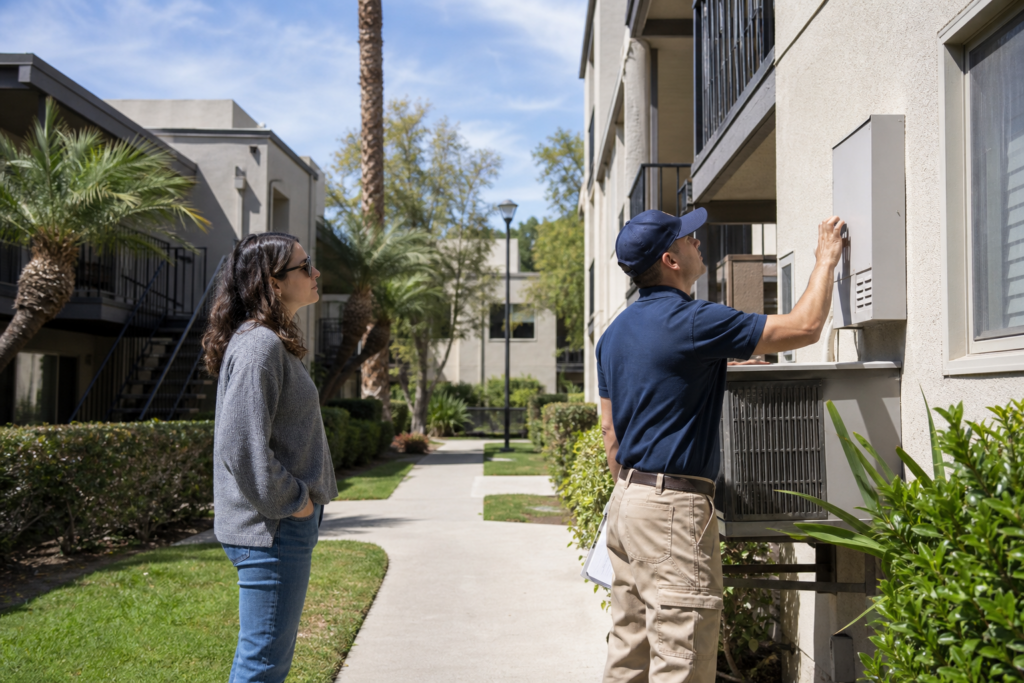
Before offering on an apartment complex, buyers can verify leases and deposits, rebuild expense assumptions, inspect unit conditions, check rent regulations, and review existing debt terms independently of the seller’s marketing memorandum.

Southern California apartment buyers can define target submarkets, use public listings for pricing research, build broker and property-manager relationships, and prepare a credible buyer profile before pursuing local acquisition opportunities.

Accredited-investor status changes which private offerings may be available, but it does not remove underwriting work. This overview covers eligibility, disclosure, liquidity, fees, structure, and questions to ask before committing capital.

Eight-unit apartment acquisitions combine professional management costs with income-based valuation. The article walks through a sample expense model and highlights deferred maintenance, rent-control assumptions, utility billing, financing, and off-market sourcing in Southern California.
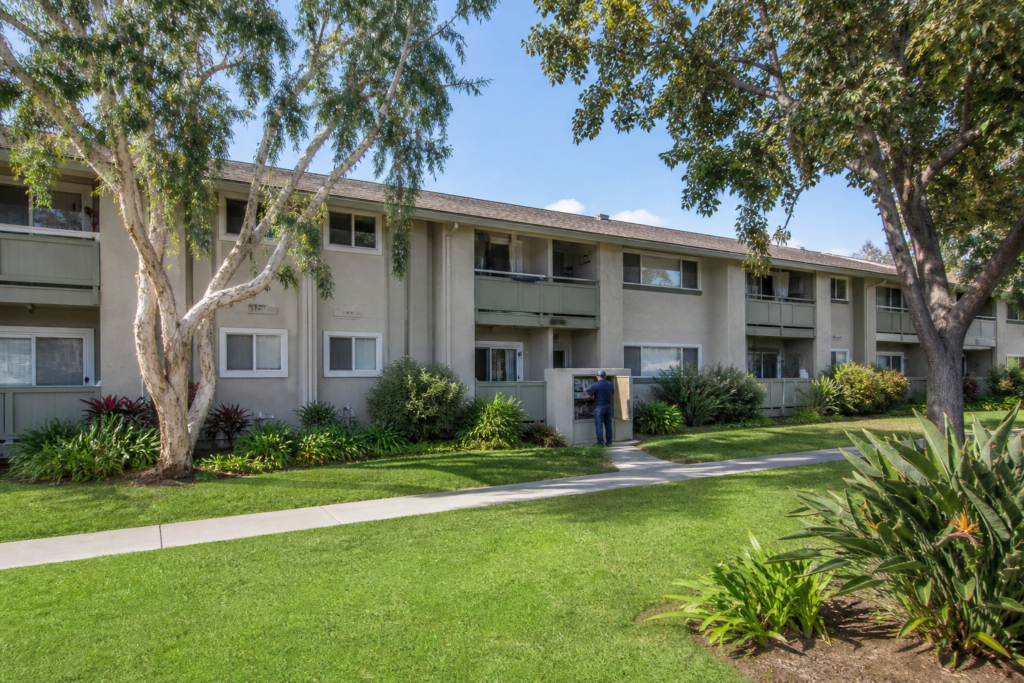
Buying a 20-unit apartment building requires attention to tenant turnover, professional management, compliance, maintenance reserves, insurance, and commercial financing. This overview identifies expense assumptions and financial records buyers should prepare for lenders.