
The building limit looks right. The deductible does not. In this hypothetical apartment purchase, a certificate appears to confirm the insurance assumed in underwriting, while the binder tells a more expensive story. Which document should an investor rely on? Review the bound terms and reconcile them with the issued policy; the certificate cannot settle the discrepancy.
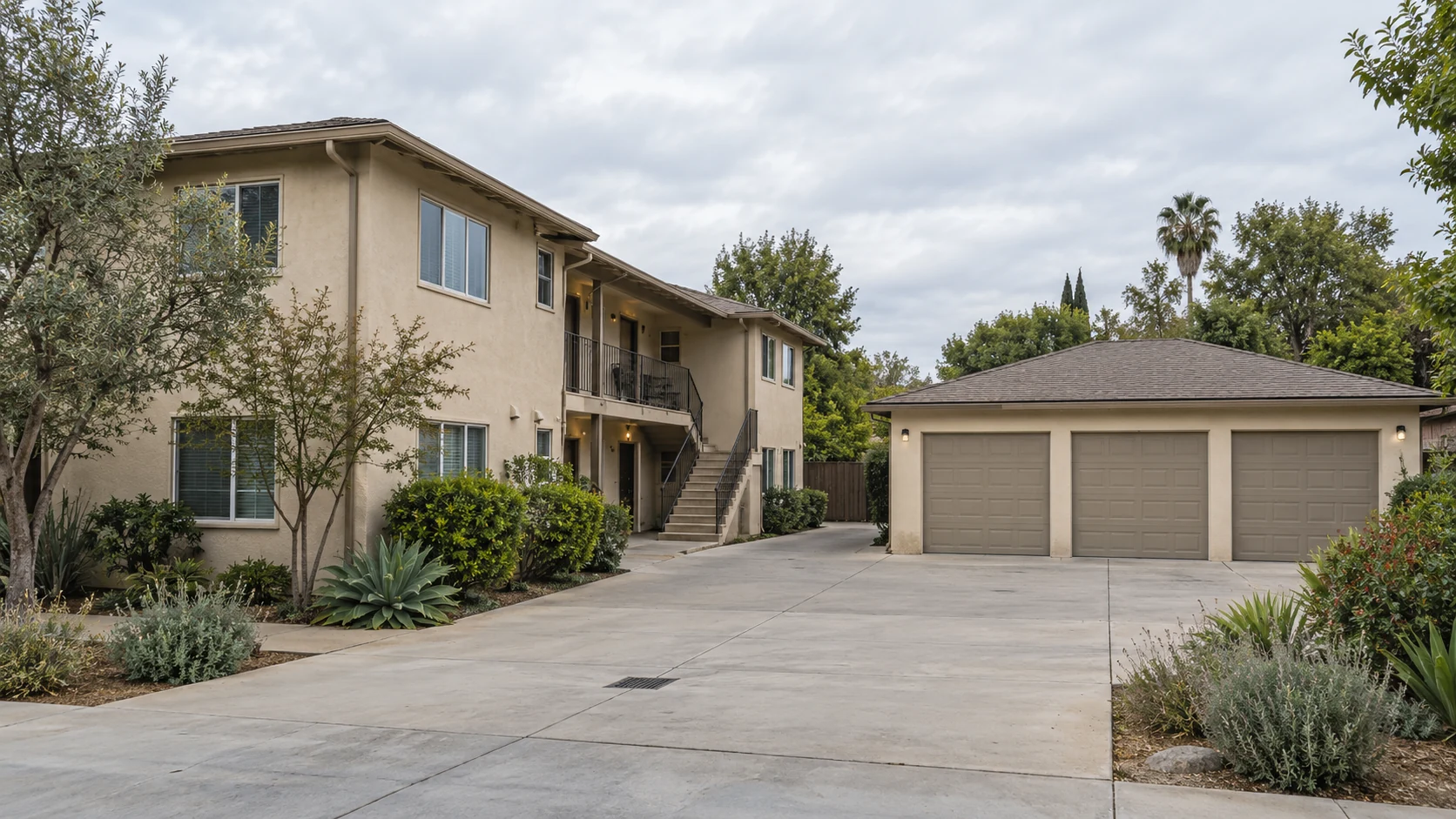
Imagine the acquisition file open to three pages: the original quote, the binder and the certificate. The quote carries a $15,000 deductible. The binder carries $40,000 for the same loss category. The certificate shows the expected building limit. Nothing about that headline number tells the investor what changed in the property’s cash exposure.
This is an invented decision exercise, not a VisionWise Capital transaction. The point is familiar to accredited investors evaluating Southern California apartments: a document can answer the question it was designed to answer and still leave the investment decision unfinished.
The reassuring number on the wrong page
A certificate is useful evidence for administration. It is not the place to resolve every term of coverage. The California Department of Insurance’s commercial insurance guide defines a binder as a temporary insurance agreement pending policy issuance or delivery. A quote describes proposed terms. The binder documents temporary coverage under its terms; the issued policy supplies the declarations, forms, exclusions, endorsements and schedules needed for the complete review.
In our example, the temptation is to finish the insurance review because the certificate has arrived and the building limit matches. That would skip the document that exposes the change. The disciplined response is to put the quoted and bound deductibles beside each other and ask the broker for a written explanation.
Public.Law’s mirror of California Insurance Code Section 384 reproduces language that certificates within its scope do not amend coverage and remain subject to policy terms. The reproduced provision excludes a surplus line broker certificate as defined in Section 48. This is a code mirror, not a legal opinion; the broker and qualified counsel should confirm the document type and applicable requirements.
The practical lesson does not require an investor to interpret the whole insurance code: when two documents appear inconsistent, keep the question open until the people responsible for coverage explain which terms apply.
The deductible reaches the cash plan
Assume the original quote also shows an annual premium of $32,000. The binder shows $35,000. There are now two changes to reconcile: an additional $3,000 of annual premium and a larger amount the property would absorb for the loss category under review. They belong in different parts of the investment analysis.
For a simplified stress test, give the property $90,000 of unrestricted cash. Assume one covered loss large enough to require the full deductible, no other retained amounts and no other cash movements. Under the quoted $15,000 deductible, the payment would leave $75,000. Under the bound $40,000 deductible, it would leave $50,000.
That is $25,000 less cash remaining after the assumed loss, before considering the separate premium increase. It is not a claim-payment forecast. Actual recovery depends on the loss and policy terms, and repair invoices may arrive before reimbursement. The example isolates the consequence of one changed term.
The limit can stay the same while the property’s share of a loss becomes larger.
A sponsor could accept that tradeoff after evaluating alternatives. But the investor needs to see the tradeoff, not discover it later through a lower reserve balance. The broader insurance-cost review of the property’s operating plan puts the premium and reserve decision in context. Here, the immediate task is to identify which insurance terms that operating plan actually assumes.
Pausing creates a decision, not a guarantee
Return to the open file. Correcting the certificate alone would not settle the deductible or restore the old premium. The sponsor needs the broker to confirm what was bound, assess available alternatives and explain the consequences of the selected coverage. A cheaper deductible might come with a higher premium or other changes; a requested revision might not be available at all.
The downside is real even when the review works. Accepting the larger retained exposure may require holding more cash. Changing coverage may increase cost or take time. Neither choice makes a covered loss certain, and neither makes the property risk-free. The purpose of patience is to make the decision with the relevant facts.
The same pause should extend to the named insured, location schedule and effective period. Does the insured owner match the acquisition entity? Are all buildings included? Does coverage begin when required? If a binder refers to a form that is missing, request it. An unfilled row is unresolved evidence, not confirmation that the old assumption survived.
For older apartments, renovation plans also matter. Ask the broker to identify the provisions governing the planned work, reconstruction requirements and occupancy conditions. A building limit alone does not explain rental-income protection, valuation, coinsurance, sublimits or excluded causes of loss. Compare the insurance application with the actual operating plan.
When the policy arrives, reopen the comparison
A policy delivered after a binder is different from having no documented binding evidence. If issuance remains pending, establish who monitors the binder’s expiration and any outstanding requirements. Ask who bound the coverage and with what authority. A policy number on a certificate does not answer those questions by itself.
When the policy arrives, have the broker compare it with the bound terms. Preserve the original quote instead of replacing it in the file. The sequence should show what was proposed, what was bound, what was issued and what remains under correction. An email requesting an endorsement is not proof that the insurer accepted it.
In the hypothetical purchase, the review ends only when the sponsor can explain both the insurance decision and the revised cash assumptions. The $50,000 stress-case remainder is not an adequacy threshold. Other repairs, payment timing and operating needs still matter. The investor may reasonably need more evidence before accepting the revised plan.
Bring the unresolved tradeoff into the investor discussion
For a VisionWise Capital opportunity, use the review to ask how the actual insurance record supports the property’s operating plan. This article does not represent a completed VWC review or promise a particular coverage choice. The offering-document review should separately establish who controls insurance decisions and how material changes are communicated.
- Which quoted terms changed when coverage was bound, and where are those changes documented?
- Has the sponsor revised both the recurring expense and the relevant loss scenario?
- What uncertainty remains while the policy or an endorsement is pending?
- Who will confirm the final policy matches the accepted terms?
The useful stopping point is a supported decision about the changed exposure. A familiar limit on a new certificate is only one piece of that decision. To discuss the insurance questions in an apartment investment review, Schedule a consultation.
Important information
Past performance is no guarantee of future results. All investments involve risk and may result in loss. This material is for informational purposes only and does not constitute an offer to sell securities or a solicitation of an offer to buy securities.
Have a licensed insurance professional review property-specific coverage and qualified California counsel address legal questions concerning certificates, binders or policy terms.