
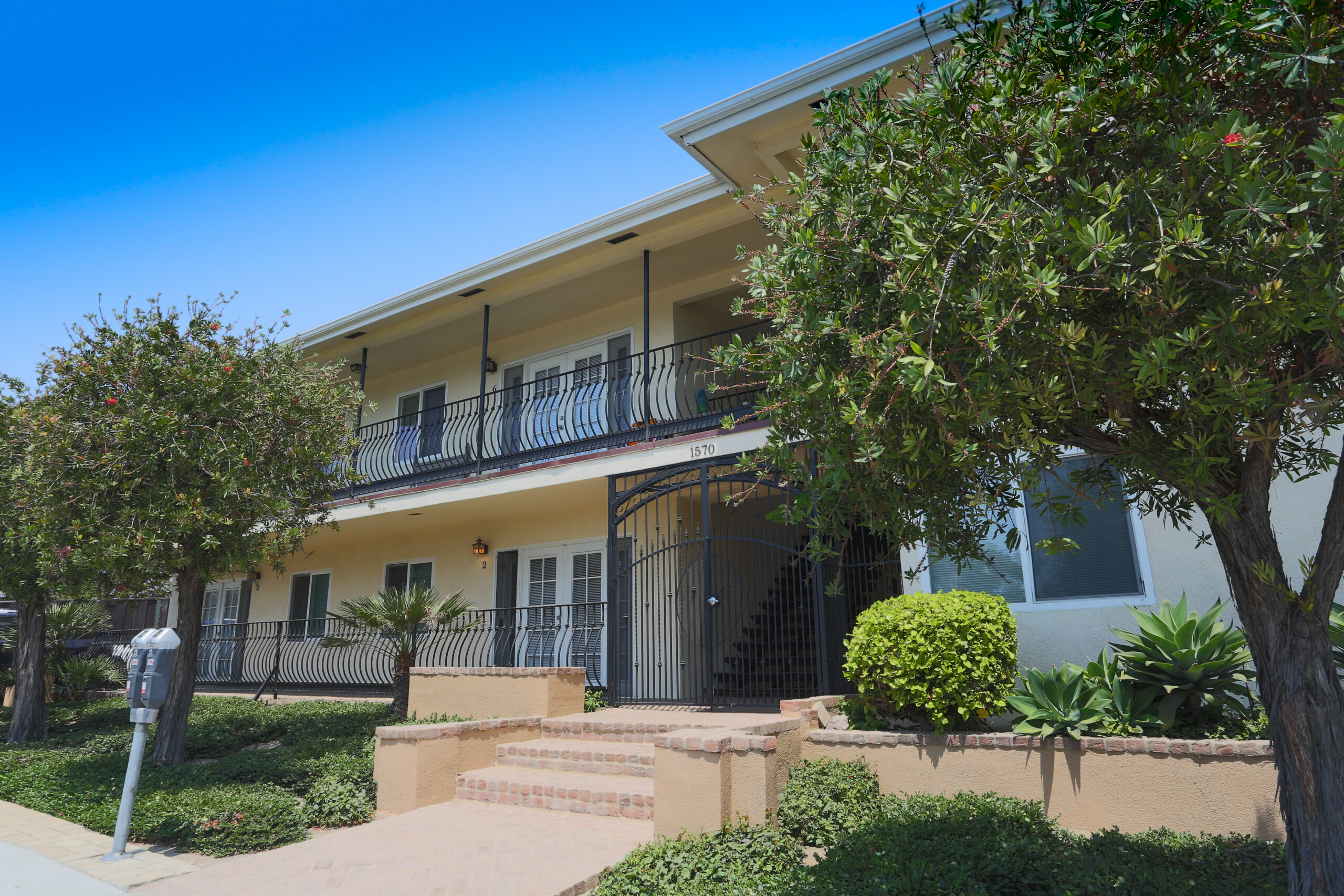
If you own a 5-to-50 unit apartment building in Southern California and you are thinking about selling, the conventional path, list it with a broker, put it on LoopNet, wait for offers, is not your only option. In fact, for many owners it is not even the best option.
Off-market sales are becoming the preferred exit strategy for sophisticated multifamily owners across Los Angeles, Orange County, and the Inland Empire. The reasons are straightforward: lower transaction costs, greater pricing control, faster timelines, and fewer disruptions to tenants and operations.
This guide walks you through exactly how to execute an off-market multifamily sale in SoCal, without paying a broker’s commission.
Why SoCal Multifamily Owners Are Going Off-Market
The Southern California multifamily market has experienced significant cap rate compression over the past decade. Properties in Los Angeles, Orange County, and the Inland Empire routinely trade at sub-5% cap rates for stabilized assets. In that environment, transaction costs matter more than ever.
A typical listed sale involves:
- 2-3% seller-side broker commission
- Buyer’s broker fee (often passed through in pricing)
- 30-60 day marketing period with tenant awareness and potential disruption
- Multiple showing tours that create operational friction
On a $3 million building, a 2.5% commission represents $75,000 coming straight out of your net proceeds. An off-market transaction with a direct buyer eliminates or dramatically reduces that cost.
What Qualifies as an Off-Market Sale?
An off-market sale means the property is never publicly listed on commercial MLS platforms like CoStar, LoopNet, or Crexi. The transaction is negotiated directly between the seller and a pre-identified buyer, typically an operator, private equity firm, or investment group that has expressed direct interest in the asset.
Off-market transactions still require the full suite of legal and financial due diligence. What they eliminate is the public marketing phase, and with it, the commission structure that phase typically necessitates.
Step 1: Determine Your Property’s Current Value
Before you approach any buyer, you need an accurate understanding of what your building is worth in today’s market. This is not the Zillow estimate. Multifamily valuation in SoCal is driven by net operating income (NOI), prevailing cap rates for your submarket and unit mix, and recent comparable sales.
Your value calculation starts here:
- Gross scheduled rent (all units at market rate, 12 months)
- Less: vacancy and credit loss (typically 5-8% for stabilized SoCal assets)
- Less: operating expenses (property taxes, insurance, management, maintenance, utilities)
- Equals: NOI, divided by market cap rate = estimated value
Cap rates in 2026 vary meaningfully by submarket. Los Angeles urban core is trading tighter (4.5-5.0%) than secondary Inland Empire markets (5.5-6.5%). Know where your property sits before you set a price expectation.
Step 2: Organize Your Financial Documentation
Serious buyers will request a specific set of documents before making an offer. Having these prepared in advance signals professionalism and accelerates the process.
- Last 24 months of operating statements (T-24)
- Current rent roll with unit mix, lease expiration dates, and any below-market rents
- Property tax history
- Insurance declaration page
- Current mortgage statement (if applicable)
- Deferred maintenance list or recent inspection report
The cleaner and more organized your financials, the faster a buyer can underwrite, and the less likely they are to retrade on price during due diligence.
Step 3: Identify the Right Buyer
This is where most owners without a broker get stuck. The off-market advantage only works if you can connect with a qualified buyer who moves decisively. There are three primary channels:
1. Direct Outreach to Private Operators
Multifamily operators who are actively acquiring in your submarket are the highest-quality buyers. They understand the market, have capital deployed quickly, and do not need to be educated on the asset class. Firms like VisionWise Capital acquire directly from owners in Southern California, no broker involvement required.
2. Your Professional Network
CPAs, real estate attorneys, and 1031 exchange intermediaries often know active buyers who are in the market right now. A quiet conversation with your existing advisors can surface qualified interest without any public disclosure.
3. Owner-to-Owner Networks
If you belong to any apartment owner associations or local real estate investor groups, those networks can be a source of direct buyer introductions. However, be selective, casual social circles are less likely to produce the institutional-quality buyers that maximize your outcome.
Step 4: Negotiate and Protect Yourself Without a Broker
Selling without a broker does not mean selling without professional representation. You should engage a real estate attorney who specializes in commercial transactions to review and draft the purchase and sale agreement, negotiate contingency timelines, and oversee closing.
Key deal terms to negotiate directly:
- Purchase price and deposit structure
- Inspection and due diligence period (typically 15-30 days for off-market deals)
- Financing contingency (or lack thereof, all-cash buyers close faster)
- Closing timeline
- Seller representations and warranties
Step 5: Navigate the 1031 Exchange If You Plan to Reinvest
If you plan to reinvest proceeds into another property to defer capital gains taxes, a 1031 exchange must be structured correctly from the outset. The key rule: you must identify your replacement property within 45 days of closing and complete the exchange within 180 days.
Working with a Qualified Intermediary (QI) before you close is not optional, it is required for a valid exchange. This is another reason to have your documentation and buyer identified well before you execute the sale.
Why Some Owners Work with VisionWise Capital Directly
VisionWise Capital acquires multifamily properties directly from owners across Los Angeles, Orange County, and the Inland Empire. We offer:
- Direct purchase without broker involvement
- Fast due diligence process (typically 15-21 days)
- Flexible closing timelines to accommodate your tax or reinvestment planning
- No disruption to tenants during the sales process
- Honest, transparent communication from first conversation to close
If you are considering a sale in the next 6-18 months, a preliminary conversation costs nothing and gives you a data point on what your property is worth to a serious buyer today.
The Bottom Line
Selling a multifamily property off-market in Southern California is entirely achievable without a broker, if you approach it with the right preparation, the right buyer, and proper legal representation. The economics are compelling. The process is manageable. And the outcome, when executed correctly, puts more net proceeds in your pocket than a listed sale.
Start by knowing what your building is worth. The rest follows from there.
Ready to explore a direct sale? VisionWise Capital acquires directly from owners in SoCal.
Schedule a free property valuation call →
FAQs
What should readers verify before making a decision?
Verify current property, financial, legal, tax, financing, insurance, operating, and market information with qualified professionals.
Are projected investment results guaranteed?
No. Projections are based on assumptions, and actual income, expenses, values, financing terms, timing, and returns may differ.
Why is due diligence important?
Due diligence helps identify missing information, test assumptions, clarify responsibilities, and evaluate risks before a binding decision.
Which professionals may be needed?
Depending on the situation, consult qualified legal, tax, financial, lending, insurance, inspection, valuation, and property-management professionals.
Can market conditions change the outcome?
Yes. Interest rates, rents, occupancy, expenses, regulations, insurance, capital needs, and buyer or investor demand can change.
Is this article legal, tax, financial, or investment advice?
No. The article is provided for general educational purposes and does not replace advice based on individual circumstances.
For the tax rules referenced above, see IRS guidance on like-kind (1031) exchanges.
Related Reading
- Apartment Houses for Sale in Southern California: What the Neighborhood Tells You
- Why Southern California Multifamily Matters to VisionWise Capital
- How a Real Estate Fund Works: Structure and Roles