
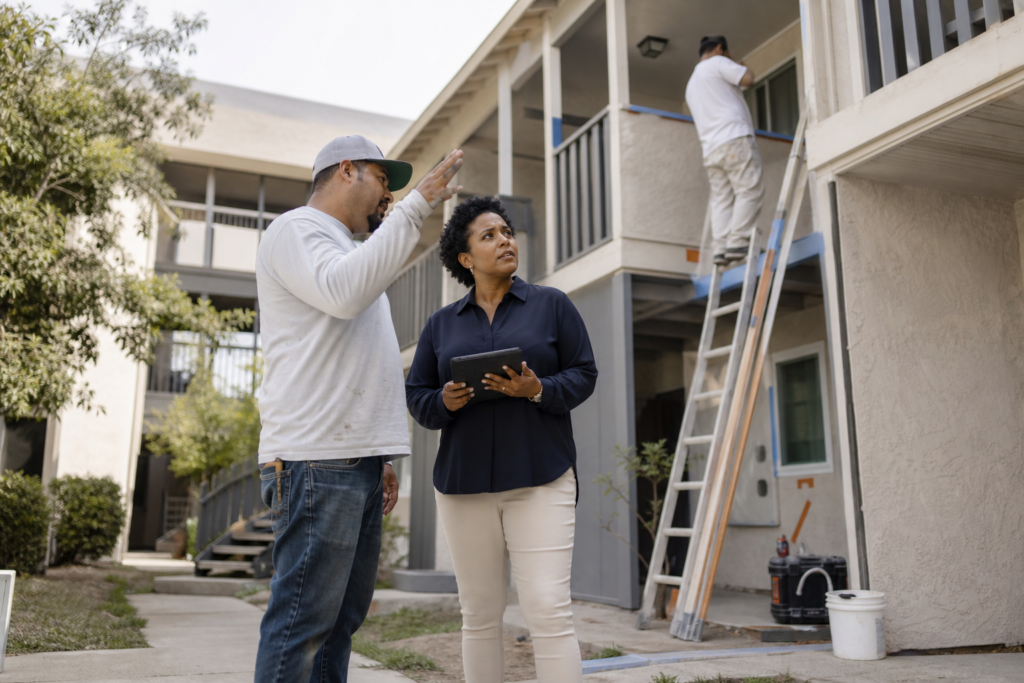
The Role of the Sponsor in a Real Estate Deal
Follow one composite 24-unit Orange County building from sourcing to sale and see, at each stage, what a sponsor does and what a weak sponsor does instead.

Follow one composite 24-unit Orange County building from sourcing to sale and see, at each stage, what a sponsor does and what a weak sponsor does instead.

Accredited-investor status changes which private offerings may be available, but it does not remove underwriting work. This overview covers eligibility, disclosure, liquidity, fees, structure, and questions to ask before committing capital.
Eight-unit apartment acquisitions combine professional management costs with income-based valuation. The article walks through a sample expense model and highlights deferred maintenance, rent-control assumptions, utility billing, financing, and off-market sourcing in Southern California.
Buying a 20-unit apartment building requires attention to tenant turnover, professional management, compliance, maintenance reserves, insurance, and commercial financing. This overview identifies expense assumptions and financial records buyers should prepare for lenders.
A five-phase multifamily due-diligence checklist for accredited investors: before the offer, income, building, money, and paperwork, with the reason behind every line.
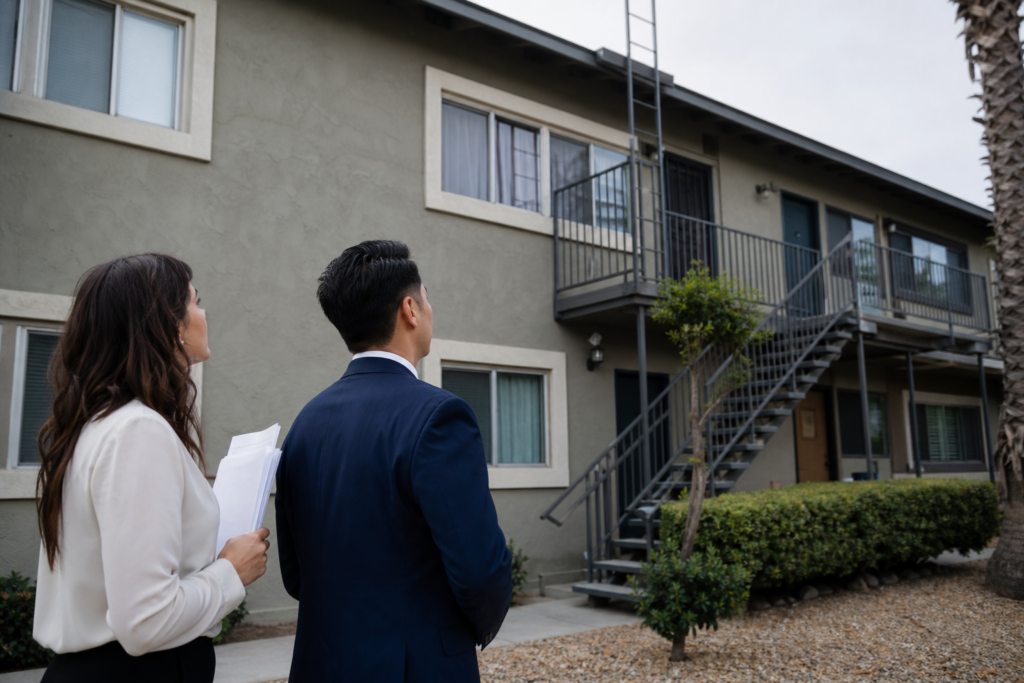
Selling an apartment building directly involves pricing the asset, qualifying buyers, organizing financial and lease records, and coordinating legal, tax, title, and escrow support. The article outlines confidentiality considerations and transaction stages.

Six assumptions that quietly overstate a multifamily pro forma, from broker market rent to a flat exit cap rate, and what a careful underwriter does instead, with numbers.

Family-office interest in multifamily is examined through Southern California housing constraints, changing valuations, patient capital, and rental-income exposure. The article also discusses how accredited investors may access the asset class through private placements.

Field notes from walking a 1960s Southern California apartment building: roof, galvanized plumbing, Zinsco panels, windows, units, and how each becomes a budget line.
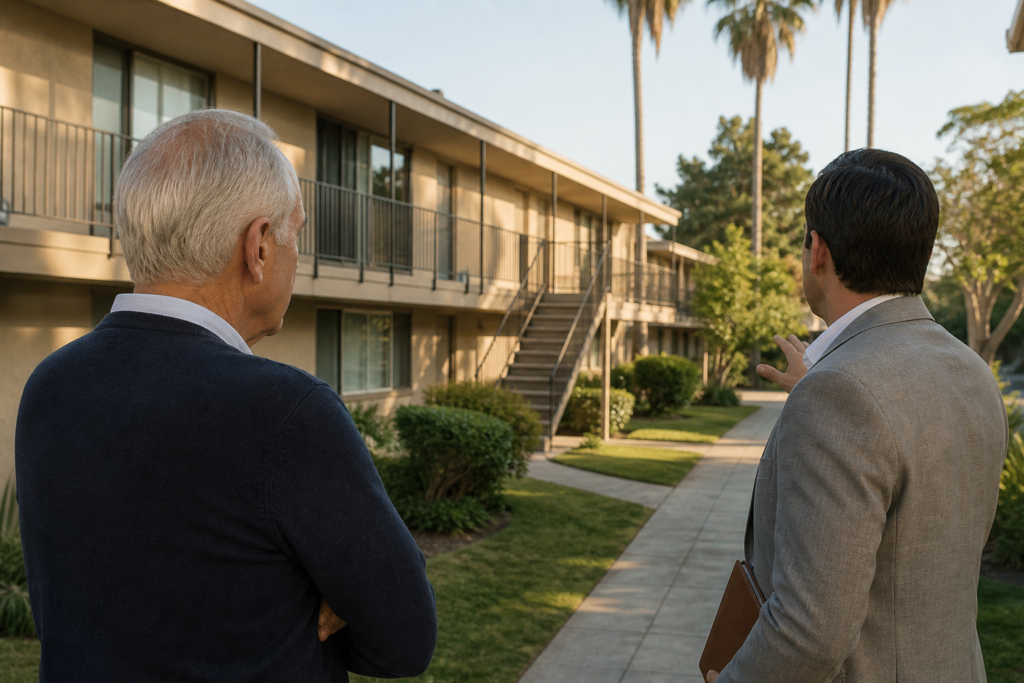
Southern California apartment owners weighing a sale can examine cap-rate changes, equity use, deferred maintenance, management demands, and tax planning. The article also considers off-market transactions and the value of obtaining a current valuation.