

Loan Maturity and Refinancing Risk in Private Real Estate
What a careful operator does 36, 18, and 6 months before a loan matures, what happens on the day, and what each stage should show in reporting.

What a careful operator does 36, 18, and 6 months before a loan matures, what happens on the day, and what each stage should show in reporting.
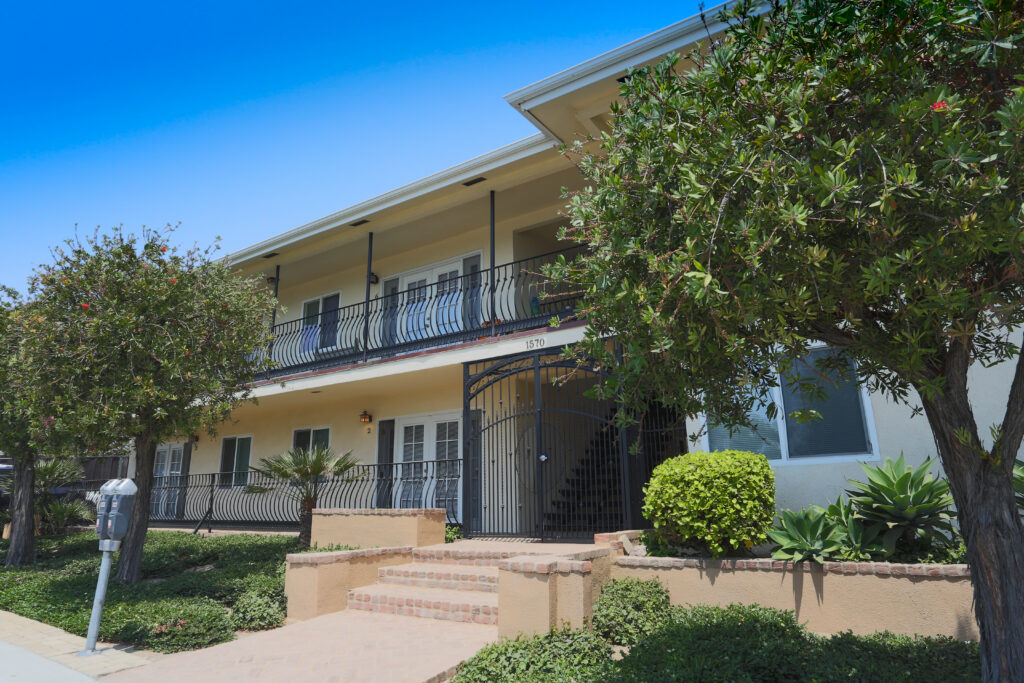
A Southern California multifamily owner can pursue an off-market sale by preparing records, setting valuation expectations, contacting qualified buyers, managing diligence, and coordinating contracts and closing without a public listing.

Fixed and floating loans split interest-rate risk differently. A five-row comparison, when each structure fits the plan, and what to ask the sponsor.
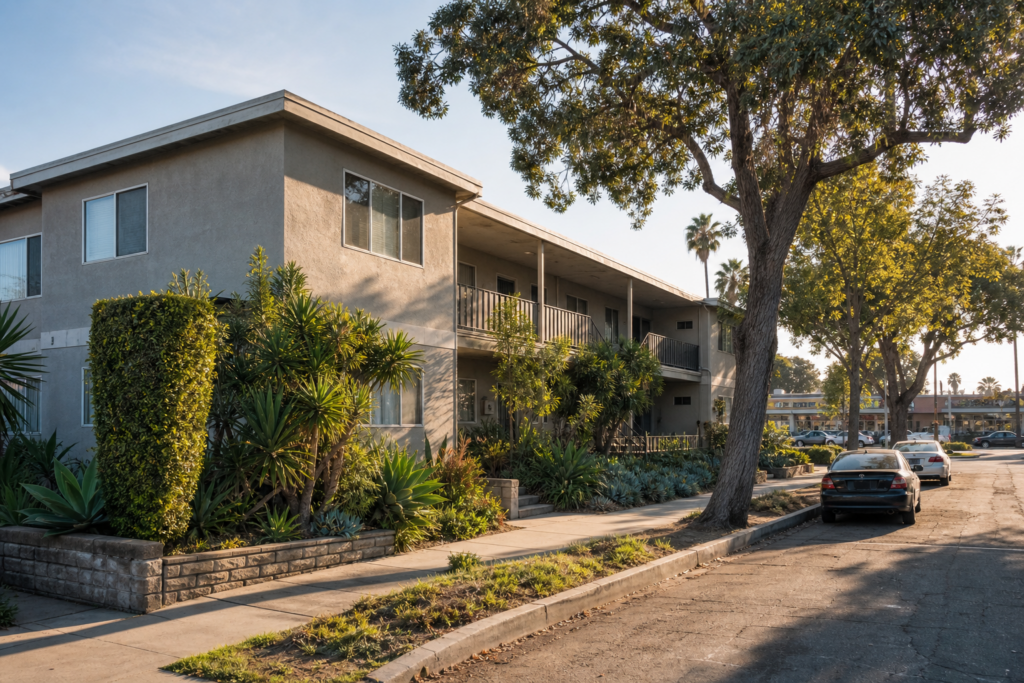
Evaluate apartment houses for sale in Southern California with a practical neighborhood and property due-diligence framework. Review rental demand, comparable properties, rent rolls, tenant protections, physical condition, operating expenses, capital needs, financing, and exit assumptions before relying on a pro forma. Use the field checklist to document evidence, stress-test projections, organize professional reviews, and compare opportunities consistently. This educational guide also explains why below-market rents are not automatic upside and why local market knowledge, inspections, legal review, and disciplined underwriting matter when assessing multifamily property risk and fit.

One hypothetical 20-unit Southern California building, rates moved 150 bps each way: what happens to debt cost, coverage, value, and the refinance.
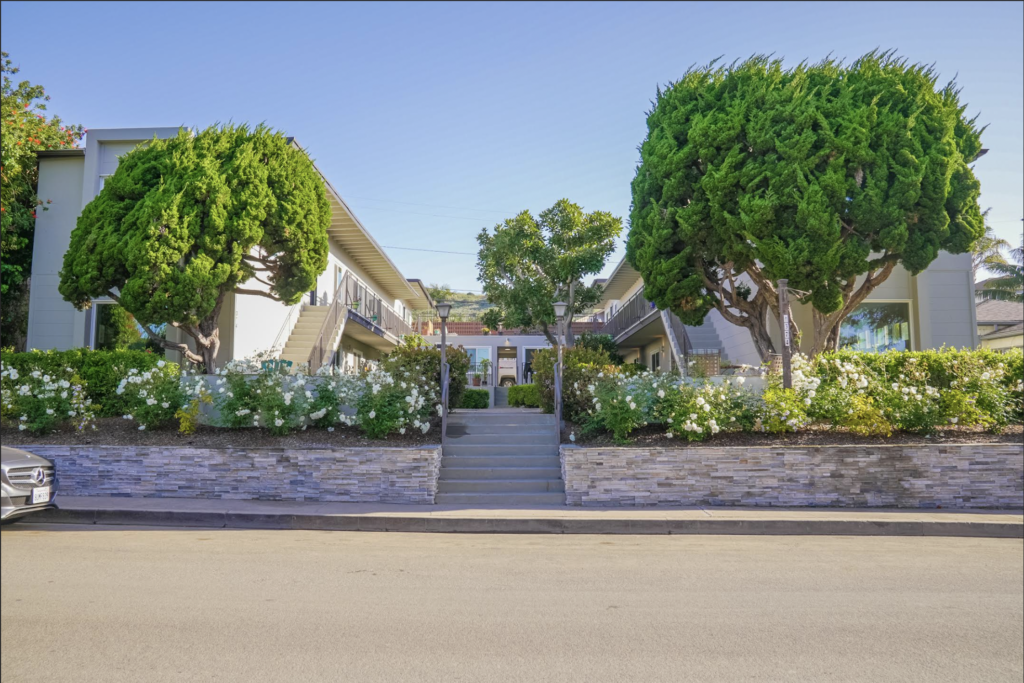
For RIAs and family offices: how leverage in an offering stacks with a client’s other debt, how to read a sponsor’s debt across all deals, and what to ask.
Fifteen leverage questions for a private multifamily offering, grouped by the loan, the valuation, and the cushion, each with what a good answer looks like

Sub-50% loan-to-value costs projected upside in good years. The trade VisionWise Capital makes, with numbers, and why a former RIA built it that way.
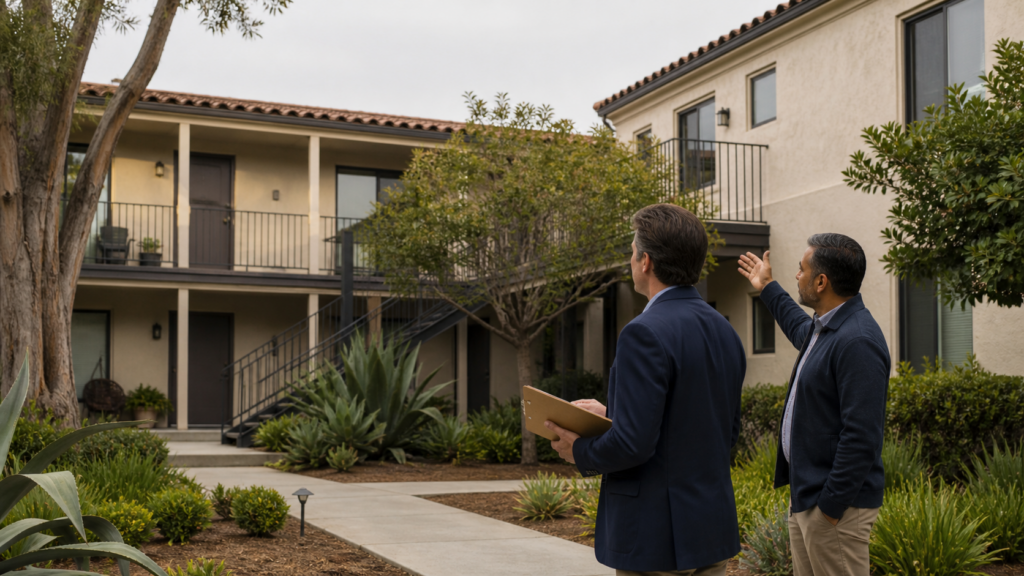
Two hypothetical buildings at the same 48% loan-to-value, two different loans: how fixed amortizing and floating interest-only debt behave in a downturn.
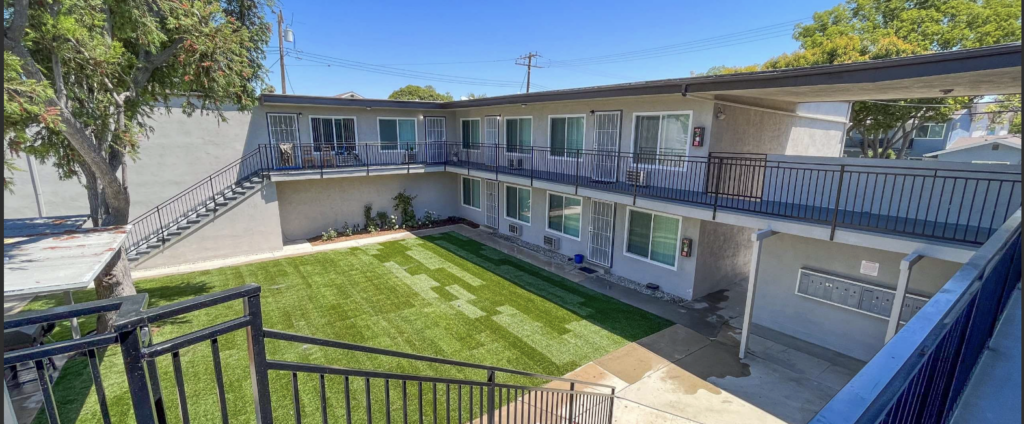
Loan-to-value is debt divided by value, but which value? Price, appraisal, and projected stabilized value give three different answers on one building.