
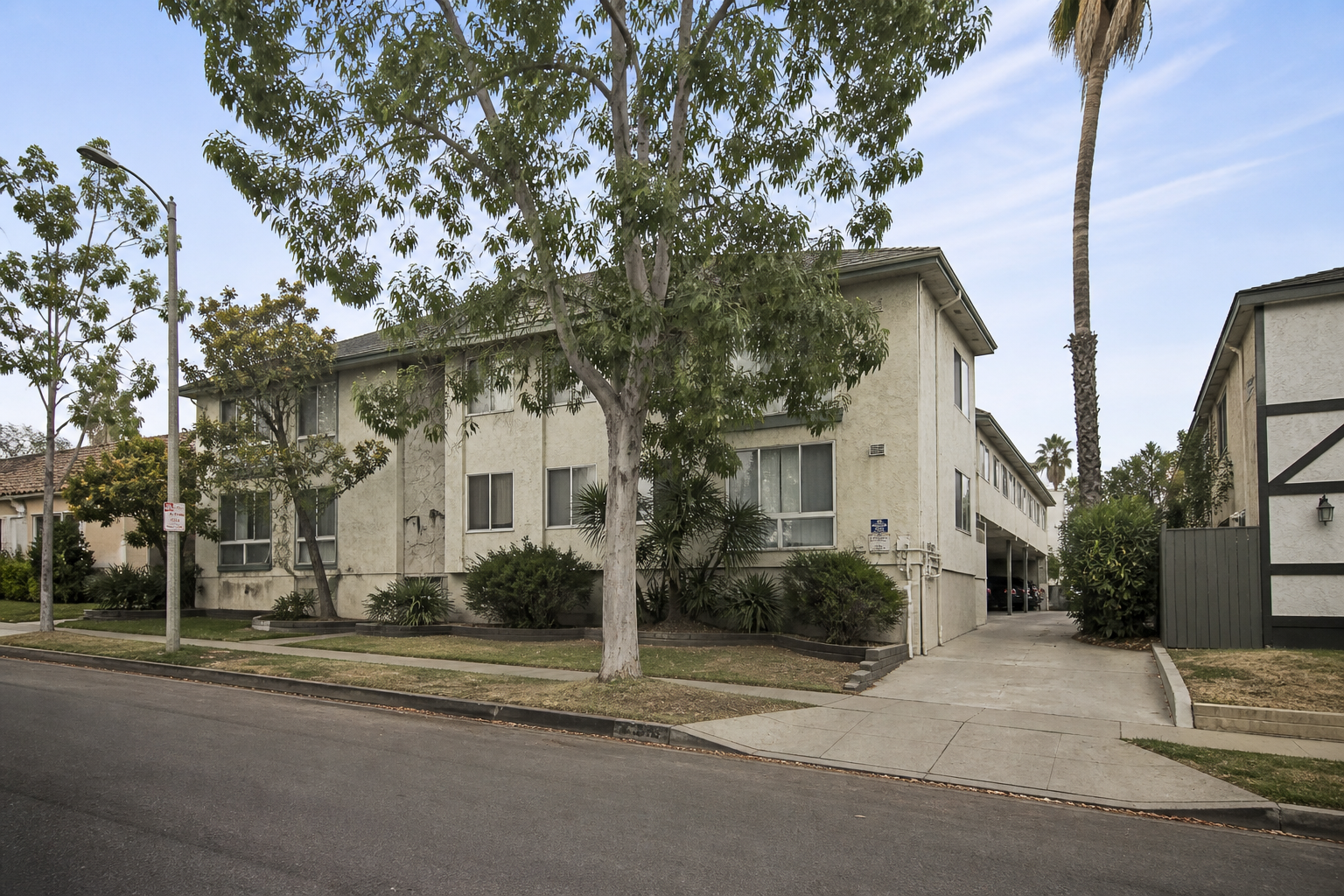
The best apartment buildings in Southern California are sold before they are ever listed.
That is not speculation. It is how long-term SoCal multifamily owners prefer to sell. Owners who have held a building for 20-30 years, raised families on the income, and built relationships with their tenants are not looking for a public auction. They want a clean process, a credible buyer, and a quiet close. The investors who access these deals are not searching Loopnet. They are in the room when the conversation starts.
Why Off-Market Exists in SoCal Multifamily
Southern California multifamily has a uniquely high concentration of long-term private owners. A 2025 market survey by CoStar found that a significant percentage of SoCal apartment buildings are held by individual or family owners who have owned for more than 15 years. For these sellers, a public listing creates complications: tenant awareness, unsolicited outreach, and the emotional friction of a competitive sale process.
Off-market transactions eliminate those frictions. The seller controls the timeline, the buyer pool, and the narrative. In exchange, they typically accept a price that represents full market value, not an auction premium that may or may not materialize after 90 days on the MLS.
What Off-Market Access Requires From Buyers
Off-market deals do not wait. When a seller decides to move, they are typically working with one buyer, or a very short list. Buyers who access these deals consistently share several traits:
Defined criteria. Off-market sellers and their intermediaries need to know immediately whether you are a fit. Unit count range, geography, price range, and asset condition preferences need to be clear before you receive a call.
Proof of capital. Long-term owners are not interested in buyers who need to arrange financing after seeing the property. Proof of funds or a committed lending relationship is expected before the first conversation.
Speed to decision. Off-market opportunities often have informal exclusivity windows of 7-14 days. Buyers who need three weeks of committee approvals are not the right fit for this market segment.
How to Get Into the Off-Market Flow
The primary access points are: direct relationships with local operators, established broker networks in your target submarket, and sponsors who source deals directly from owners.
VisionWise Capital maintains an active off-market network across Southern California. We work directly with apartment owners who are evaluating ownership transitions, often 12-18 months before they are ready to close. Buyers who share their criteria with us are positioned to see these opportunities before anyone else.
The Off-Market Buyer Checklist
Before you pursue off-market sourcing: know your target geography and unit count range. Have your financing pre-arranged. Know your minimum cash-on-cash and cap rate thresholds. Have a property manager ready to onboard at close. Have your legal and title team identified.
Off-market buying rewards preparation. The deal comes first. The diligence follows quickly. Buyers who have done the work in advance win.
Ready to take the next step? Share Your Off-Market Criteria →
This content is for informational purposes only and does not constitute investment, legal, or tax advice. Real estate transactions and private placements involve significant risk, including potential loss of principal. Always consult qualified legal, financial, and tax professionals before making investment decisions.
FAQs
What should readers verify before making a decision?
Verify current property, financial, legal, tax, financing, insurance, operating, and market information with qualified professionals.
Are projected investment results guaranteed?
No. Projections are based on assumptions, and actual income, expenses, values, financing terms, timing, and returns may differ.
Why is due diligence important?
Due diligence helps identify missing information, test assumptions, clarify responsibilities, and evaluate risks before a binding decision.
Which professionals may be needed?
Depending on the situation, consult qualified legal, tax, financial, lending, insurance, inspection, valuation, and property-management professionals.
Can market conditions change the outcome?
Yes. Interest rates, rents, occupancy, expenses, regulations, insurance, capital needs, and buyer or investor demand can change.
Is this article legal, tax, financial, or investment advice?
No. The article is provided for general educational purposes and does not replace advice based on individual circumstances.
For independent multifamily market and lending research, see Freddie Mac Multifamily.
Related Reading
- What Off-Market Multifamily Buyers Want From SoCal Apartment Owners
- How to Sell a Multifamily Property Off-Market in SoCal Without a Broker
- Apartment Houses for Sale in Southern California: What the Neighborhood Tells You
Explore VisionWise Capital